
How to Restore Gut Health: The Link to Fatigue and Breakouts

Most people don’t connect their skin breakouts, brain fog, or low energy to their gut, but they should. Gut health influences far more than digestion. It shapes your immune system, your mood, your skin, and your long-term resilience. If you’ve been feeling off and can’t quite explain why, your digestive system may be the place to start.
Key Takeaways
- The gut microbiome affects immunity, mental health, skin, and energy, not just digestion.
- Poor gut health often shows up as bloating, fatigue, brain fog, or skin issues rather than obvious digestive symptoms.
- Restoring gut health requires a personalized approach combining diet, lifestyle, and targeted clinical support.
What Is the Gut Microbiome and Why Does It Matter?
Your gut is home to trillions of bacteria, fungi, and other microbes that make up your gut microbiome. When this ecosystem is balanced, your body absorbs nutrients efficiently, regulates inflammation, and maintains strong immune defenses.
A healthy gut microbiome supports everything from how well you sleep to how clearly you think. When it’s disrupted by stress, antibiotics, processed foods, or other factors, the effects ripple outward in ways that aren’t always easy to trace back to the gut.
Signs You May Have Poor Gut Health
Poor gut health doesn’t always look like stomach pain. It can show up as:
- Bloating, constipation, or irregular digestion
- Skin concerns like acne, eczema, or dullness
- Brain fog, low energy, or mood fluctuations
- Frequent illness or slow recovery
- Food sensitivities that seem to be getting worse
If several of these feel familiar, your digestive health may be worth a closer look.
What Disrupts the Gut Microbiome?
Several factors can shift the balance between good bacteria and harmful bacteria in your digestive tract. Ultra-processed foods, artificial sweeteners, red meat in excess, and low fiber intake all reduce gut diversity over time.
Chronic stress is another major disruptor. It alters gut bacteria directly and weakens the gut lining, making it easier for inflammation to take hold. Antibiotics, while sometimes necessary, can wipe out beneficial bacteria alongside harmful ones, and recovery isn’t always automatic.
The Gut-Brain-Skin Connection
The gut communicates with the brain through what’s called the gut-brain axis. This is why chronic stress and poor gut health often travel together, and why digestive issues frequently co-occur with mood changes or cognitive fog.
The gut also plays a significant role in skin health. An unhealthy gut can drive systemic inflammation, which surfaces as skin reactivity, breakouts, or conditions that seem unrelated to diet but respond well when gut health improves.
Foods That Support a Healthy Gut
Diet is one of the most direct ways to positively affect your gut microbiome. High fiber foods such as vegetables, fruits, whole grains, leafy greens, and chia seeds feed beneficial microbes and support gut diversity.
Fermented foods like yogurt, kimchi, and kefir introduce live bacteria that can strengthen a healthy microbiome. Green tea has also been shown to have anti-inflammatory effects that support the digestive tract. On the other side, reducing ultra-processed foods, artificial sweeteners, and excess red meat gives your gut room to recover.
Lifestyle Factors That Affect Gut Bacteria
Food matters, but it’s not the only variable. Good sleep is deeply tied to gut function, as poor rest can negatively affect the balance of bacteria in your gut within just a few weeks.
Exercise supports improved digestion and helps maintain a diverse gut microbiome. Managing stress levels through consistent routines, whether that’s movement, time outdoors, or other strategies, also makes a measurable difference in digestive health overall.
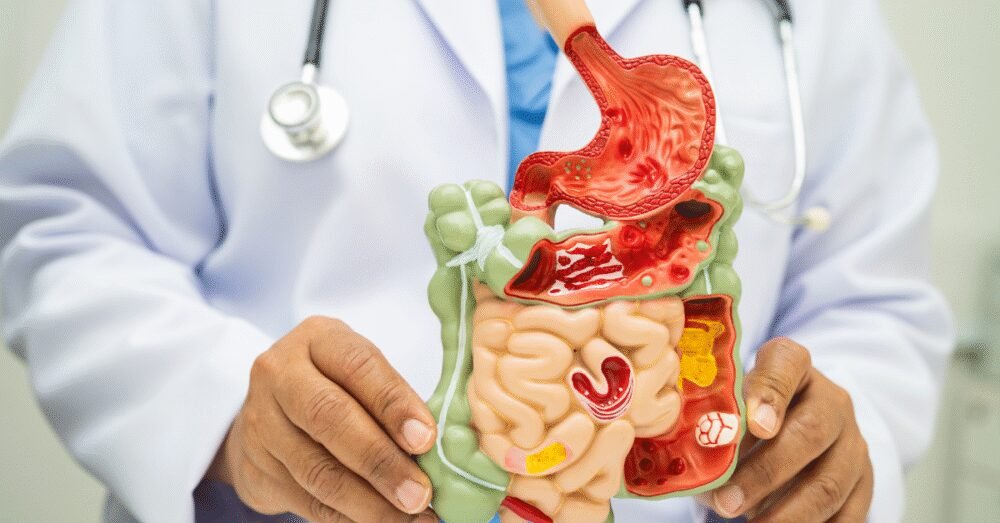
Conditions Linked to an Unhealthy Gut
An imbalanced gut microbiome has been associated with a wide range of gastrointestinal disorders, including irritable bowel syndrome, inflammatory bowel disease, and Crohn’s disease. It’s also connected to broader systemic concerns like autoimmune conditions, metabolic issues, and colon cancer risk over time.
How to Restore Gut Health With Clinical Support
For many people, diet and lifestyle adjustments help but don’t fully resolve the issue. That’s where clinical gut health support comes in. Comprehensive advanced diagnostic testing, including gut microbiome analysis, digestion assessments, and absorption markers, can pinpoint exactly where the imbalance lies.
From there, a personalized plan may include targeted nutrition, probiotic supplements, detoxification support, and interventions aimed at reducing inflammation and restoring the gut lining. Probiotic supplements can be useful, but the right strains, doses, and timing matter; taking probiotics without knowing your baseline can sometimes miss the mark.
Working with a healthcare provider who understands the complexity of the digestive system ensures your plan is built on actual data, not guesswork.
Frequently Asked Questions About Gut Health Support in El Dorado Hills
Can poor gut health cause skin problems even if I don’t have obvious digestive symptoms?
Yes. Skin concerns like acne, redness, and eczema are frequently linked to gut inflammation and an imbalanced microbiome, even when digestive symptoms are mild or absent. Addressing gut health often leads to noticeable skin improvements as a secondary benefit.
How long does it take to restore a healthy gut microbiome with diet changes alone?
Gut bacteria can begin shifting within a few weeks of dietary changes, but meaningful, lasting restoration, especially after antibiotic use or long-term poor gut health, typically takes several months and works best with a structured, personalized approach rather than general guidelines.
Is bloating always a sign of poor gut health or could it mean something else?
Bloating is one of the most common digestive symptoms and can point to several things: food sensitivities, bacterial imbalance, motility issues, or inflammatory conditions like irritable bowel syndrome. Lab testing is the most reliable way to understand what’s actually driving it.
Do I need to take probiotic supplements or is food enough to improve gut bacteria?
Fermented foods support a healthy microbiome, but they may not be enough if your gut is significantly out of balance. Probiotic supplements can help, but the strains that benefit one person may not work for another. Clinical testing helps determine whether supplementation is necessary and which type is most appropriate.
Can gut health support help with autoimmune symptoms or is it only for digestive issues?
Gut health support extends well beyond the digestive tract. Because the gut plays a central role in immune regulation, improving gut balance can reduce systemic inflammation and support better management of autoimmune tendencies, including thyroid concerns, skin conditions, and joint-related symptoms.
Start With Your Gut at Dignity Medical Aesthetics and Wellness
At Dignity Medical Aesthetics and Wellness in El Dorado Hills, CA, gut health is treated as the foundation it truly is. Every gut health plan begins with thorough lab testing and a clinical assessment so that recommendations are built around your body specifically.
The experience here is different. The setting is elevated and calm, the care is attentive, and the focus is always on real, measurable results. Whether you’re dealing with digestive discomfort, skin concerns, autoimmune symptoms, or persistent fatigue, our team at Dignity Medical Aesthetics will help you understand what’s driving it and how to address it properly.
You deserve care that takes your overall well-being seriously from the inside out. Call Dignity Medical Aesthetics and Wellness at +1 916-939-3889 to schedule your personalized gut health consultation today.