
Medical Weight Loss: What Makes It Different From Dieting Alone
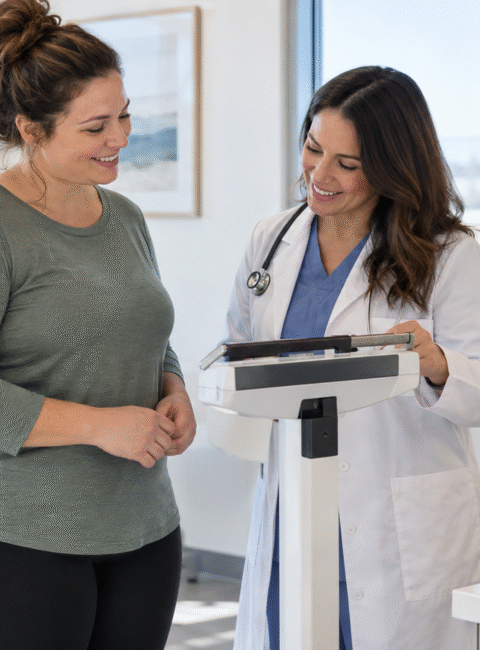
Medical weight loss differs from dieting alone because a healthcare provider evaluates your health, looks at factors that could affect your weight, and builds a treatment plan around you. That plan may include nutrition and activity changes, prescription weight-management medication when appropriate, and ongoing follow-up. At Dignity Medical Aesthetics & Wellness, our approach to weight loss medications starts with a medical consultation rather than asking you to simply eat less and try harder.
Diet still matters. So do movement, sleep, routines, and the habits you can realistically maintain. The difference is that medical weight loss puts those pieces into a clinical context and considers whether there are additional reasons that losing weight has been difficult.
What Is Medical Weight Loss?
Medical weight loss is weight management supervised by a healthcare professional.
It starts by looking at your individual situation. At Dignity Medical, the initial consultation for our weight-loss medication program includes a review of your medical history, current medications and supplements, weight, and relevant laboratory testing. We also discuss the treatment process and whether prescription medication is appropriate for you.
That assessment matters because two people who want to lose the same amount of weight may have very different health histories.
One person may have spent years cycling through restrictive diets. Another may have recently noticed a change in appetite or weight. Medications, hormonal changes, sleep patterns, metabolic health, underlying medical conditions, and daily routines can all become relevant to the conversation.
Medical weight loss gives your provider room to look at that bigger picture before deciding what should happen next.
How Is That Different From Dieting Alone?
Most diets start with a set of eating rules.
You might reduce calories, cut certain foods, track portions, follow a meal plan, or change when you eat. Some people make meaningful progress through lifestyle changes alone, especially when those changes are practical enough to maintain.
The challenge comes when dieting turns into repeated short-term restriction without addressing why maintaining a lower weight has been difficult.
Medical weight loss adds clinical evaluation and follow-up to the process. Instead of measuring success solely by whether you followed a diet correctly, your provider can consider your health history, treatment response, side effects, medications, and other factors that influence the plan.
That distinction becomes especially relevant if you’ve already made reasonable changes to your eating and activity but continue to struggle with weight loss or maintenance.
Medical Weight Loss Still Includes Healthy Habits
Prescription treatment doesn’t replace nutrition or physical activity.
The National Institute of Diabetes and Digestive and Kidney Diseases explains that weight-management medications work best alongside a lifestyle program that includes healthy eating and physical activity. NIDDK’s guide to prescription weight-management medications
That’s an important expectation to establish early.
Medication may change appetite, fullness, or other processes involved in weight regulation, depending on the treatment. It doesn’t make the rest of your health irrelevant. Eating patterns, movement, sleep, stress, and other routines still affect how you feel and how sustainable your progress becomes.
At Dignity Medical, patients using prescription weight-loss medication are expected to work on healthy lifestyle changes as part of treatment.
Why Doesn’t Eating Less Always Feel Simple?
“Just eat less” sounds straightforward until you try to apply it to real life for months or years.
Hunger and fullness involve biological signals. Your health history, medications, sleep, hormones, food environment, routines, and other factors can influence appetite and weight regulation.
Some prescription weight-management medications work partly by affecting hunger or fullness. The NIDDK notes that different medications work in different ways, including making people feel less hungry or full sooner.
That doesn’t mean everyone who struggles with dieting needs medication. It means difficulty managing weight deserves a more thoughtful explanation than assuming someone lacks discipline.
A medical consultation gives you a chance to talk about what you’ve actually experienced. Have you lost weight before and regained it? Has your appetite changed? Are you taking medications that deserve consideration? Have other aspects of your health changed at the same time?
Those details are useful.
What Does Medical Supervision Add?
Supervision becomes particularly important once prescription treatment enters the picture.
Your provider needs to determine whether a medication is appropriate based on your health history and other medications you take. Prescription weight-management drugs also have potential side effects and contraindications, and the right treatment varies from person to person.
At Dignity Medical, weight-loss medications start at a lower dose and increase gradually according to the treatment plan. Follow-up appointments allow us to review progress and health as treatment continues.
That creates opportunities to talk about what is changing rather than following a static diet plan indefinitely.
You might notice changes in hunger before you notice significant changes on the scale. Side effects may need discussion. Your eating patterns may need to adjust as your appetite changes. Progress can also slow over time, which gives you another reason to evaluate the full plan rather than automatically becoming more restrictive.
What If Something Else Is Affecting Your Weight?
Weight changes sometimes overlap with broader health concerns.
Dignity Medical also provides advanced diagnostic testing for patients seeking a deeper look at health and wellness concerns. Available assessments include areas such as hormone testing, micro nutrient testing, body composition, metabolic markers, and other evaluations selected according to the patient’s situation.
That doesn’t mean everyone entering a medical weight-loss program needs extensive testing. Testing should have a clinical reason behind it.
Still, it illustrates one of the practical differences between medical weight management and following a diet from a book, app, or social-media account. A healthcare provider can recognize when another health issue deserves attention instead of assuming every plateau should be solved by cutting more food.
Who Might Consider Medical Weight Loss?
Medical weight loss is worth discussing when you want a structured, medically supervised approach to weight management rather than another short-term diet.
It may also make sense to have that conversation if you’ve repeatedly lost and regained weight, have struggled to make progress despite sustained lifestyle changes, or want to know whether prescription treatment is medically appropriate.
That conversation doesn’t guarantee that medication will be the recommendation.
National guidance notes that prescription weight-management medications aren’t appropriate for everyone. Healthcare professionals consider factors such as weight-related health risks, medical history, other medications, potential side effects, and expected benefits before prescribing them.
A consultation should answer whether treatment fits you, rather than beginning with the assumption that you need a prescription.
Is Medical Weight Loss a Quick Fix?
A responsible medical weight-loss plan should be viewed over a longer timeline.
Dignity Medical’s weight-loss medication program requires patience and ongoing lifestyle changes. Our treatment information also notes that patients should be prepared for sustained treatment rather than expecting a short course to permanently change weight regulation.
This matters because weight maintenance is often the harder part.
A crash diet can produce a short-term change on the scale without giving you much information about what happens six months later. Medical weight management creates space to evaluate both progress and maintenance as treatment continues.
The NIDDK likewise describes obesity as a chronic disease and notes that some people may remain on weight-management medication long term when it continues to provide health benefits without serious side effects.
What Should You Ask at a Medical Weight Loss Consultation?
Come prepared to talk about more than the number you want to see on the scale.
Tell your provider what you’ve already tried and what happened afterward. Bring an accurate medication and supplement list. Mention changes in appetite, sleep, energy, health conditions, or other symptoms that seem connected to your weight.
You should also understand what the recommended treatment requires from you. Ask how follow-up works, what side effects deserve a call to the office, how your progress will be monitored, and what lifestyle changes should accompany treatment.
Those questions make the appointment much more useful than simply asking which medication produces the fastest weight loss.
Medical Weight Loss in El Dorado Hills
Medical weight loss gives you something dieting alone generally doesn’t: a clinical assessment of whether there are appropriate medical tools to use alongside sustainable lifestyle changes.
For some people, nutrition and activity changes may remain the main strategy. Others may qualify for prescription weight-management medication and benefit from ongoing medical supervision. Your health history determines which conversation makes sense.
At Dignity Medical Aesthetics & Wellness in El Dorado Hills, our medical weight-loss program includes an initial consultation, review of your medical history and medications, appropriate laboratory review, prescription treatment for eligible patients, and follow-up as treatment progresses.
If you’ve spent years moving from one diet to another and want to understand whether a medically supervised approach is appropriate, schedule a consultation with our team. Come prepared to discuss what you’ve tried, where you’ve struggled, and what you want your health and weight-management plan to look like over the long term.