
CO2 Laser Resurfacing: Is It Worth the Downtime?
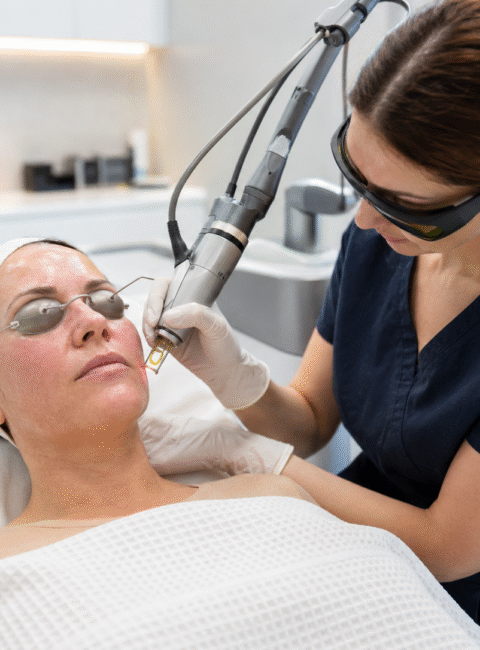
CO2 laser resurfacing can be worth the downtime if you want a stronger correction for concerns such as wrinkles, acne scarring, uneven texture, or loss of firmness and you’re comfortable planning around several visible recovery days. At Dignity Medical Aesthetics & Wellness, most clients considering our CO2 Fractional Laser should expect about 5 to 7 days of social downtime. For someone who wants a noticeable resurfacing treatment rather than a very gradual change, that tradeoff may make sense.
The harder question is whether that level of treatment matches what your skin actually needs. A person with mild texture concerns and a busy schedule may be happier with a gentler option. Someone bothered by deeper lines, scarring, or more significant sun-related changes may decide that a week of recovery feels reasonable for a more intensive treatment.
Here’s what that downtime actually involves and how to decide whether CO2 resurfacing fits your priorities.
Why Does CO2 Laser Resurfacing Require Downtime?
CO2 laser resurfacing creates controlled microscopic treatment areas in the skin. Those tiny injuries trigger a healing response that supports new collagen and elastin production.
Fractional treatment leaves surrounding areas of skin intact rather than treating the entire surface uniformly. That approach supports faster healing while still creating a stronger resurfacing effect.
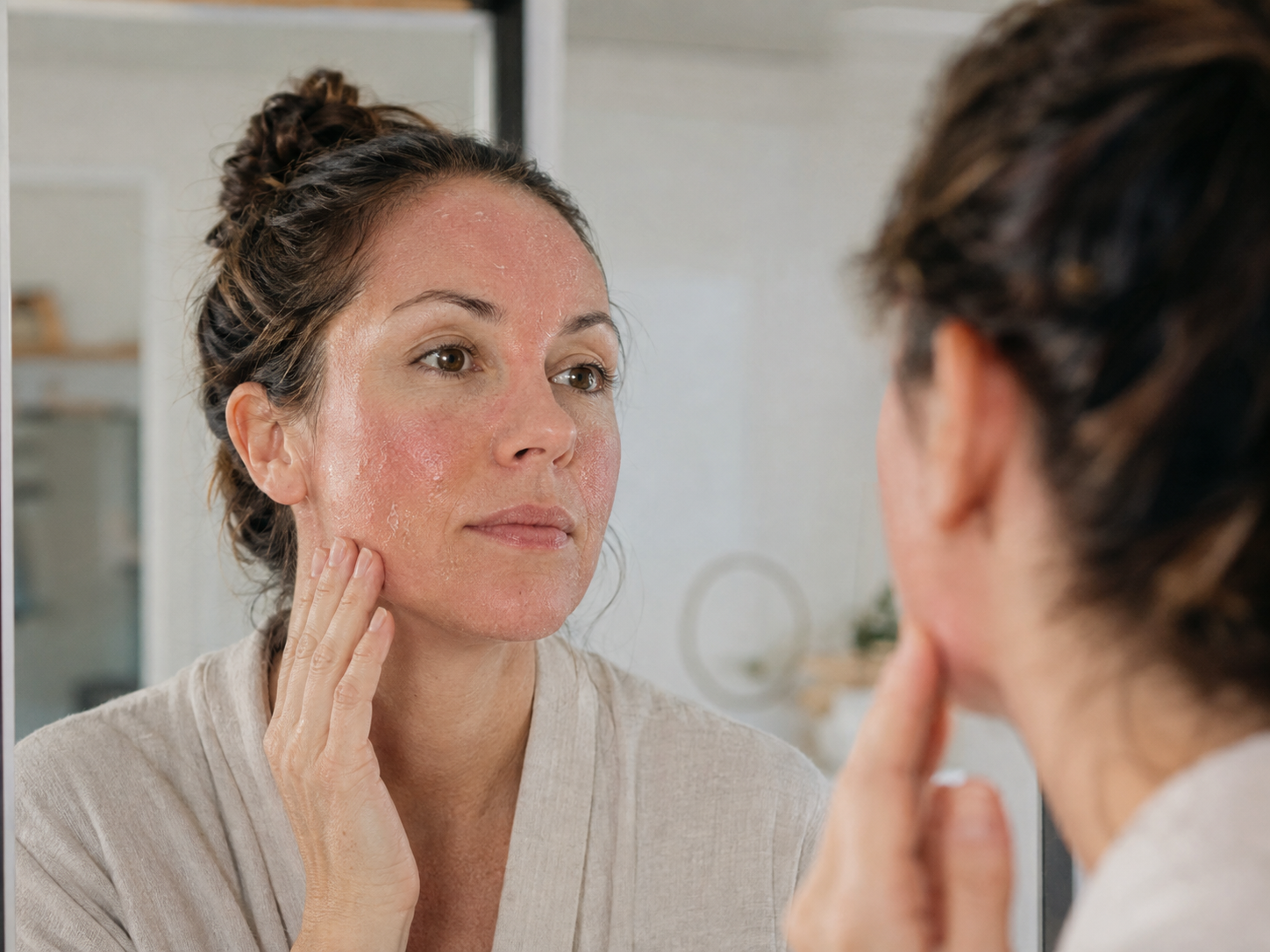
The recovery period is part of that process. Your skin needs time to heal after the laser treatment, so redness, peeling, warmth, and mild swelling are expected. These changes can look and feel similar to a significant sunburn.
For most Dignity clients, the main social downtime lasts around 5 to 7 days. That doesn’t necessarily mean you’ll feel unwell or need to stay in bed. It means your skin will look visibly treated, and you probably won’t want to schedule professional photos, important meetings, or a major social event during those first several days.
The American Academy of Dermatology also describes laser resurfacing as a treatment that generally requires about 5 to 7 days at home. More intensive resurfacing comes with more recovery and a greater possibility of side effects than lighter skin-tightening procedures.
What Do You Get in Exchange for CO2 Laser Resurfacing Downtime?
The reason people accept more recovery is simple: CO2 resurfacing treats concerns that lighter procedures may not address as aggressively.
At Dignity, we use CO2 fractional resurfacing for concerns that include fine lines and wrinkles, acne or surgical scars, uneven skin texture, changes in tone, and skin laxity around areas such as the neck and jawline.
Results don’t appear all at once when the peeling stops. The initial healing period is only the beginning. Your skin continues changing in the following weeks as collagen remodeling develops.
That distinction matters if you’re deciding whether the recovery feels worthwhile. You aren’t spending five days recovering for a result that peaks on day six. The treatment starts a longer regenerative process.
For someone mainly bothered by a little dullness or a few minor irregularities, that may be more treatment than necessary. If texture, scarring, or wrinkles remain visible despite skincare and less intensive options, a stronger resurfacing approach becomes easier to justify.
What Does CO2 Laser Resurfacing Recovery Actually Look Like?
Think about recovery in terms of social downtime rather than complete inactivity.
Immediately after treatment, your skin may feel warm and look red. Mild swelling can develop, and peeling occurs as the treated skin heals. The exact experience varies based on the treatment area, your skin, and the intensity selected during your consultation.
During those first several days, your calendar matters. If you work from home, have a quiet weekend available, or simply don’t mind being seen while your skin heals, the downtime may feel fairly manageable.
A packed week of client meetings is different. So is having family photos, a wedding, a presentation, or another event where you want your skin to look predictable.
Sun exposure also deserves serious consideration around laser treatments. Freshly treated skin needs careful protection, and your provider should know about recent tanning or significant sun exposure before treatment. Your medical history, medications, skincare routine, and history of cold sores are also worth discussing before any laser procedure.
Planning ahead makes the recovery far less disruptive than trying to squeeze treatment into an already busy week.
CO2 Laser Resurfacing vs a Lower-Downtime Option
More aggressive isn’t automatically better.
Dignity also performs non-ablative fractional resurfacing, which takes a gentler approach. Instead of removing treated skin cells, the non-ablative 1540 laser heats tissue below the surface to stimulate collagen.
The recovery difference is significant. With Dignity’s non-ablative resurfacing treatment, many clients return to work within a day or two. Some redness or swelling can remain for a few days, particularly around the eyes, but the interruption to normal activities is much smaller.
There’s a tradeoff. Because non-ablative resurfacing is milder, most patients benefit from a series of treatments rather than relying on one session. Dignity typically recommends a series of three treatments spaced about a month apart for this option.
CO2 resurfacing takes the opposite approach. You accept more recovery around the treatment in exchange for a stronger resurfacing session.
Neither choice wins for everyone. The better question is how much correction your skin needs and how much downtime you’re willing to accommodate.
When Is CO2 Laser Resurfacing Worth It?
CO2 laser resurfacing tends to make the most sense when the concern itself bothers you enough to justify the recovery.
Acne scars are a good example. A person with noticeable textural scarring may care more about achieving meaningful resurfacing than avoiding several days of visible healing.
The same logic applies to lines or textural changes that haven’t responded enough to skincare or gentler procedures. If you’ve reached the point where a subtle treatment probably won’t satisfy you, choosing the lower-downtime option solely because it’s easier may leave you wishing you had done something stronger.
Your expectations matter too. CO2 resurfacing improves skin rather than creating perfectly smooth, poreless skin. Scars may become less noticeable without disappearing completely. Wrinkles can soften without stopping the normal aging process.
A treatment feels much more worthwhile when the expected result matches what you actually want.
When Might CO2 Resurfacing Be Too Much?
There are situations where the downtime probably isn’t a good trade.
If your concerns are mild, a lower-intensity treatment may address them without requiring a week of social recovery. Someone primarily interested in subtle texture improvement could consider non-ablative resurfacing instead.
Timing can also make CO2 inconvenient. Scheduling the treatment right before a vacation, major event, or particularly busy stretch at work creates unnecessary pressure around healing.
Your willingness to follow aftercare matters as well. Laser treatment requires you to treat healing skin carefully and take sun protection seriously. If your schedule or lifestyle makes that difficult right now, postponing treatment may be the smarter choice.
At Dignity, our laser and light treatments include options with very different recovery profiles. You don’t need to choose the strongest procedure available simply because it exists.
How Far Ahead Should You Plan?
Give yourself more breathing room than the minimum recovery period.
Five to seven days of social downtime doesn’t mean your skin reaches its final appearance on day seven. Visible healing continues to settle, while the improvements from collagen remodeling develop over the following weeks.
For an ordinary work schedule, setting aside a quiet week may be enough. If you’re preparing for a wedding, reunion, professional photography, or another major event, discuss that date during your consultation before scheduling treatment.
That gives your provider the chance to recommend an appropriate treatment and timeline rather than trying to fit a procedure into a deadline it doesn’t suit.
So, Is CO2 Laser Resurfacing Worth the Downtime?
For the right concern, it can be. CO2 laser resurfacing makes the strongest case when you want more substantial improvement in texture, wrinkles, scarring, or firmness and you’re comfortable planning for roughly 5 to 7 days of visible recovery.
If downtime is your biggest concern or your skin changes are relatively mild, non-ablative resurfacing may fit your priorities better even if it requires multiple sessions.
You don’t need to decide between treatments on your own. At Dignity Medical Aesthetics & Wellness in El Dorado Hills, we assess your skin, the changes you want to address, and how much recovery realistically fits into your life before recommending a treatment.
If you’re considering CO2 resurfacing, schedule a consultation with our team and tell us exactly what you want to improve and how much downtime you’re willing to take. Those two details usually make the treatment decision much clearer.