
Can IPL Photofacials Treat Melasma? Everything You Need to Know

You’ve tried brightening serums, switched sunscreens, and avoided the sun all summer, yet those brown patches on your cheeks still come back. If that sounds familiar, you’re probably wondering whether a light-based treatment could finally help.
So, can IPL treat melasma? The honest answer is yes, in the right hands and for the right skin. IPL can lighten melasma and improve your overall complexion. It is not a one-time cure, though, and it works best as part of a careful, long-term plan.
At Dignity Medical Aesthetics & Wellness in El Dorado Hills, our providers have helped clients manage stubborn pigment since 2006. This guide covers what we’ve learned, so you can decide whether IPL is right for you.
Key Takeaways
- IPL treatment can lighten melasma, especially the surface-level type, but it manages the condition rather than curing it.
- Gentle settings, a skilled provider, and topical support such as hydroquinone reduce the risk of melasma darkening after treatment.
- Daily sunscreen and maintenance sessions keep results going, because melasma tends to return without ongoing care.
What Is Melasma and Why Does It Keep Coming Back?
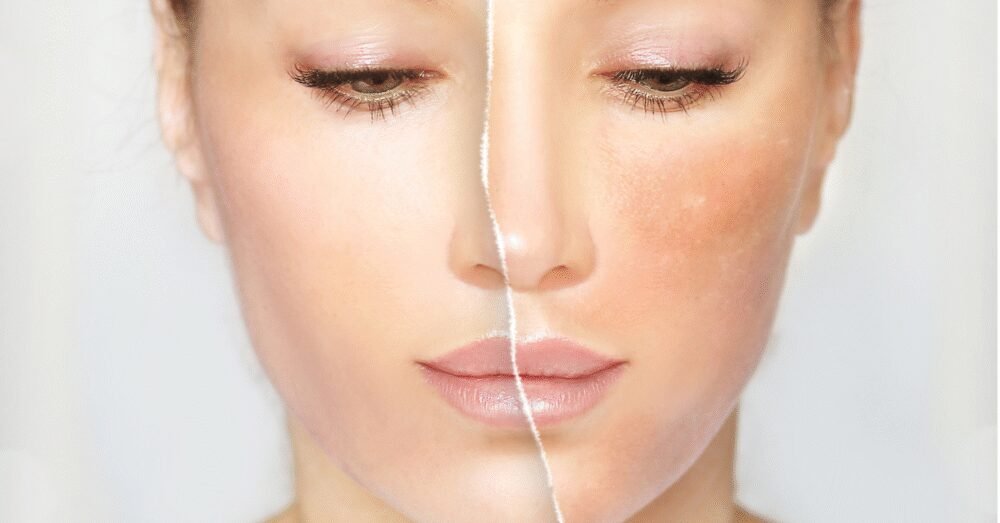
Melasma is a common form of hyperpigmentation. It shows up as brown or gray-brown patches, usually on the cheeks, forehead, upper lip, and bridge of the nose. Unlike scattered freckles or sun spots, melasma dark spots tend to appear in larger, symmetrical patches on both sides of the face.
The condition happens when your pigment-producing cells, called melanocytes, become overactive and release too much melanin. The tricky part is that these cells stay sensitive. Even after the patches fade, the right trigger can switch them back on.
Common triggers include sun exposure, heat, and hormone shifts. That’s why melasma often appears during pregnancy or with birth control use, and why it’s far more common in women. According to the American Academy of Dermatology, melasma can be difficult to treat and often returns, which is why ongoing protection matters so much.
The Three Types of Melasma
Where the pigment sits in your skin affects how well it responds. Epidermal melasma sits in the top layer of skin, called the epidermis. It usually has well-defined edges and tends to respond best to light-based treatment.
Dermal melasma sits deeper and often looks bluish-gray. It’s harder to reach and slower to improve. Mixed melasma, which is the most common type, combines both. Clients with mixed melasma often see the surface pigment lighten first, while deeper areas fade more gradually.
How Intense Pulsed Light Targets Pigment
Intense pulsed light is a noninvasive treatment that delivers broad-spectrum light through a handpiece placed on the skin. Unlike a laser, which uses one focused wavelength, IPL releases a range of wavelengths at once. Filters help narrow those specific wavelengths toward the target, whether that’s pigment or redness.
The process relies on a principle called selective photothermolysis. Melanin absorbs the light energy and converts it into heat which breaks up excess pigment while sparing the surrounding tissue. Over the next several days, the treated pigment rises to the surface and gradually flakes away.
Because IPL also reaches blood vessels, it can calm redness linked to rosacea. This matters for melasma, since many people with pigment also have visible vessels that may play a role in keeping patches active. A light treatment that addresses both can give a more even result. Some clients also notice smoother skin texture over time, thanks to a mild boost in collagen production.
Can IPL Treat Melasma Safely?
IPL can treat melasma safely, but the approach matters more than the device. Heat is a known melasma trigger. If settings are too aggressive, the skin can react with inflammation, leading to darkening or post-inflammatory hyperpigmentation. That’s the opposite of what you want.
This is the main reason melasma needs a different plan than ordinary sun damage. Sun spots and age spots often clear in one or two sessions at standard settings. Melasma calls for gentler energy, careful spacing between sessions, and close attention to how your skin responds each time.
Other devices, including Q-switched lasers, are sometimes used for melasma as well. Like IPL, they can help but also carry a risk of rebound pigment when used aggressively. In practice, no single tool is the best treatment for everyone. Success comes down to matching the right settings to your skin and supporting the results at home.
Who Tends to See the Best Results
IPL generally works best for fair to light-brown skin tones with mostly epidermal or mixed melasma. Clients who also have freckles, sun spots, or redness tend to love the overall improvement, since one session addresses several concerns.
IPL may not be the right first step if your skin is currently tanned, you’re pregnant, or your melasma is mostly deep dermal pigment. In those cases, we’ll talk honestly about timing and alternatives during your consultation. A good plan starts with knowing when to wait.
A Gentler Approach Using IPL Photofacial in El Dorado Hills for Melasma
When clients come to us for an IPL photofacial in El Dorado Hills, we start by looking at the whole picture. That includes your skin tone, melasma pattern, triggers, current skincare, and lifestyle. Someone who hikes Folsom Lake trails every weekend needs a different plan than someone who mostly works indoors.
We use a Cynosure IPL device, widely considered a leader in the industry. Its built-in Skintel Melanin Reader measures the pigment in your skin before treatment. For melasma, this is especially helpful. It lets our providers choose settings with precision instead of guesswork, lowering the risk of overheating sensitive areas like the upper lip.
Many clients searching for an IPL photofacial in El Dorado Hills have already tried products on their own. Our role is to bring medical-grade tools and experience together into one clear plan, with a provider who follows your progress from start to finish.
Why Topical Treatments Make IPL Work Better
IPL removes existing pigment, but topical treatments help calm the melanocytes that keep producing it. Our providers may recommend hydroquinone, a prescription brightening agent, alongside your sessions. This combination often produces better and longer-lasting results than either approach alone.
Some clients use a topical brightener for a few weeks before their first session to prepare the skin. Others continue it between sessions to keep new pigment from forming. Your provider will tailor the timing to your skin, since a routine that works for one person can irritate another.
What Results Can You Expect?
Most clients notice that melasma patches look lighter and more even after their first few sessions. Some brown spots may look darker for several days before they flake off. This is a normal part of the process and a sign the treatment is working.
Expect some short-term redness, similar to a mild sunburn, and possibly mild swelling. Downtime is usually minimal, and most people return to work the next day with light makeup. There’s no surgery, no cutting, and a low risk of scarring when treatment is performed correctly.
Because melasma is ongoing, results are measured in steady improvement rather than a single finish line. Many clients see a meaningful reduction in pigment over a short series of sessions, then return for maintenance to stay ahead of recurrence. Compared to aggressive approaches that can cause flares, this steady path often leads to fewer sessions overall.
How to Protect Your Results
Sunscreen is the single most important step after IPL. Use a broad-spectrum SPF 30 or higher every day, even when it’s cloudy. Tinted mineral sunscreens add extra protection against visible light, which can also worsen melasma.
Beyond sunscreen, add a wide-brimmed hat for outdoor time and limit heat exposure from saunas and hot yoga, especially in the weeks after treatment. Keep up with any topical plan your provider recommends. These small habits make a big difference in how long your skin stays clear.
Frequently Asked Questions
Can IPL make melasma darker before it gets better?
Yes, it can. Right after IPL, treated pigment often looks darker for several days as it rises to the surface and flakes away. That’s normal. True worsening, called rebound pigmentation, is different and usually comes from settings that are too aggressive or treating tanned skin. A skilled provider using gentle, personalized settings, plus topical support like hydroquinone, greatly lowers that risk and keeps your progress moving forward.
Is IPL safe for melasma during pregnancy?
IPL is generally postponed during pregnancy. Melasma that appears while pregnant is often hormone-driven and may fade on its own after delivery. Hormones can also make skin more reactive, so results are less predictable. During this time, focus on daily sunscreen, a wide-brimmed hat, and gentle skincare. Once your hormones settle, a consultation can help you decide whether IPL is the right next step for any remaining pigment.
Can I use hydroquinone and IPL together for melasma?
In many cases, yes. Hydroquinone and IPL often work well together because they tackle melasma in different ways. IPL breaks up existing pigment, while hydroquinone helps calm the cells that create new pigment. Your provider will guide you on when to use it before and after sessions, since timing matters for comfort and safety. This combination often leads to clearer, longer-lasting results than relying on IPL alone.
Does melasma on the upper lip respond differently to IPL than melasma on the cheeks?
It can. The upper lip is thinner, more sensitive, and more prone to irritation, so it usually needs gentler settings and a bit more patience. The cheeks and forehead often respond more quickly because the skin there tolerates energy better. A careful provider adjusts settings for each area rather than treating your whole face the same way, which helps you get even results without unwanted darkening.
How do I keep melasma from coming back after IPL in El Dorado Hills sunshine?
Our sunny foothill climate makes protection essential. Apply a broad-spectrum SPF 30 or higher every morning and reapply when outdoors. Tinted mineral formulas help block visible light, too. Add a hat, seek shade during peak hours, and limit heat exposure. Continue any topical plan your provider recommends, and schedule maintenance sessions as advised. Melasma is manageable long term, but consistency is what keeps patches from returning.
Book Your IPL Photofacial in El Dorado Hills
Melasma can feel like a frustrating cycle, but you don’t have to manage it alone. At Dignity Medical Aesthetics & Wellness, every visit begins with a personalized consultation where we study your skin, listen to your goals, and build a plan designed around real, lasting results.
Our clients come to us from Cameron Park, Folsom, Sacramento, and beyond for more than the treatment itself. They come for a calm, luxurious experience, licensed providers who take time to explain every step, and a team that cares about how you feel when you look in the mirror. Alongside IPL, we also offer 3D Laser Treatment, CO2 Fractional Laser, and Non-Ablative Fractional Resurfacing if your skin needs a different approach.
If you’re ready to see clearer, more even skin, schedule your IPL photofacial today. Visit us at 1200 Suncast Lane, Suite 5, El Dorado Hills, CA 95762, or call (916) 939-3889 to book your consultation.